The Enigmatic Allure of Kaiserschmarrn: A Glimpse into Austrian Culinary Royalty
Few desserts capture the heart and imagination quite like Kaiserschmarrn. This fluffy, shredded pancake, often dubbed "Emperor's Mess" or "Imperial Nonsense," stands as a pillar of Austrian and Bavarian cuisine, cherished for its unique texture and comforting sweetness. While its taste is undeniably regal, the story behind its imperial name is far more intricate and fascinating than the popular legends suggest. Beyond the whispered tales of emperors and kitchen mishaps lies a rich tapestry of linguistic evolution and culinary history that reveals the true origins of this iconic treat.
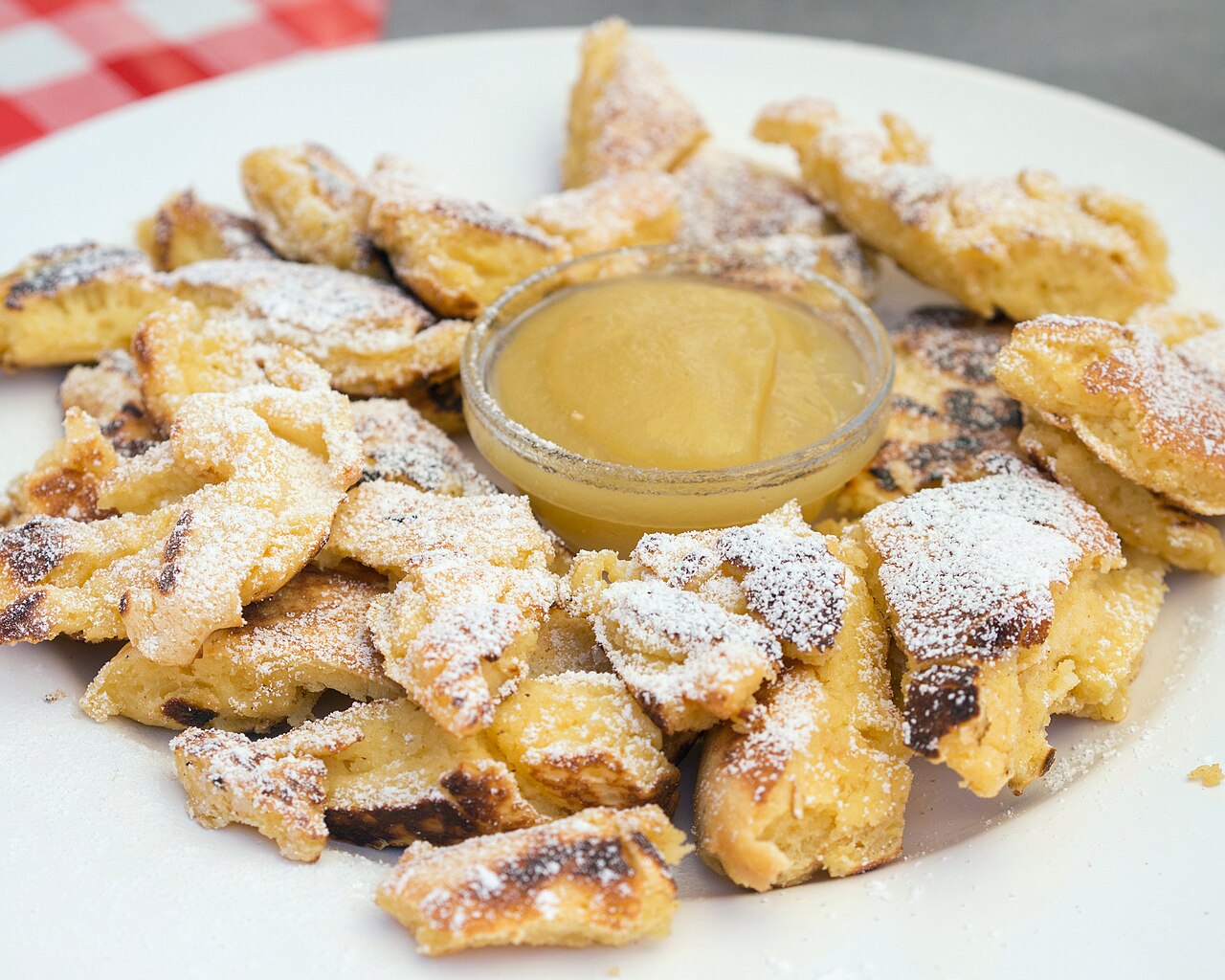
At its core, Kaiserschmarrn is a marvel of simplicity transformed into elegance. Crafted from a light, airy batter of flour, eggs, milk, and sugar—often enriched with a hint of rum or vanilla and plump raisins—it’s pan-fried until golden, then artfully torn into irregular, bite-sized pieces. A final dusting of confectioners' sugar adds a touch of visual grace, while traditional accompaniments like warm plum or apple compotes elevate it to a sublime sensory experience. Whether enjoyed as a decadent dessert, a hearty brunch item, or a comforting afternoon treat, Kaiserschmarrn transcends generations and social classes, rivaling even the famed Sacher Torte in its cultural prominence.
Unraveling the "Kaiser" Prefix: Quality, Not Just Imperial Whim
The most enduring legends surrounding Kaiserschmarrn connect its name directly to Emperor Franz Joseph I (1830–1916). One popular anecdote suggests that the dish originated when a royal cook, flustered during a hunting trip, accidentally shredded a thick pancake, presenting the "mess" to the emperor, who, to everyone's surprise, thoroughly enjoyed it. Another tale posits that the emperor, tired of elaborate desserts, requested a simple, light treat, leading to the creation of the torn pancake. These charming narratives have cemented the dish’s association with imperial endorsement, adding to its mystique.
However, historical records paint a more nuanced picture. While Franz Joseph I undoubtedly enjoyed a good Kaiserschmarrn, the "Kaiser-" prefix likely predates his personal consumption. The earliest documented recipe for Kaiserschmarrn appeared in an 1835 Viennese food tariff, a full five years after Franz Joseph's birth and well before his ascension to the throne in 1848. In this context, the prefix "Kaiser-" was commonly used to denote superior quality, a premium version, or an especially fine product, rather than a direct connection to a specific emperor's palate. Think of "Kaisersemmel" (emperor's roll) – a common bread roll distinguished by its quality and specific shape, not necessarily a roll eaten exclusively by the emperor.
The term "Kaiser" itself carries significant historical weight. It is a German compound word, directly translating to "emperor," and stems from the Latin Caesar, the cognomen of Julius Caesar. This honorific entered Old High German as keisar around the 8th century and evolved through Middle High German keisar, ultimately becoming the official title for the sovereign ruler in Germanic contexts, including the vast Austro-Hungarian Empire. Therefore, the "Kaiser" in Kaiserschmarrn evokes an era of imperial grandeur and, more practically, signifies a dish elevated beyond its humble origins—a testament to its refined preparation and enriched ingredients.
Deconstructing "Schmarrn": From Peasant's Plate to Palace Delight
The second, equally vital component of the name, "Schmarrn" (or "Schmarren"), tells a story rooted in the rustic kitchens of Austrian and Bavarian peasants. Before it became "Kaiserschmarrn," there was simply "Schmarren"—a basic, centuries-old dish characterized by a simple pancake batter, fried and scrambled. It was a utilitarian meal, quick to prepare and satisfying, reflecting the practicalities of rural life.
Linguistically, "Schmarrn" traces its origins back to the 16th century in Upper German dialects. Its etymology is linked to "Schmer," a term referring to lard or raw animal fat, and the verb roots associated with rühren (to stir) or schmieren (to smear). This etymological connection vividly evokes the early preparation methods of a fatty, mixed batter, fried in a pan. Over time, in Austrian and Bavarian dialects, the word "Schmarrn" evolved to colloquially signify "mess," "rags," or even "nonsense." This semantic extension perfectly captures the dish's characteristic shredded, irregular, and often chaotic texture, resembling torn scraps rather than a neatly formed pancake.
The evolution from simple "Schmarren" to the revered Kaiserschmarrn mirrors a broader culinary refinement that took place in the 19th century. As Viennese cuisine flourished, this rustic peasant dish was elevated, enriched with ingredients like raisins (often rum-soaked), almonds, and a finer preparation technique, transforming it into a celebrated specialty. Influential cookbooks of the era, such as Katharina Prato's seminal Die Süddeutsche Küche (1858), feature recipes explicitly titled "Kaiser-Schmarren," cementing its status as a sophisticated, yet comforting, treat.
Making Your Own Kaiserschmarrn: Tips for Imperial Perfection
Creating authentic Kaiserschmarrn at home is a rewarding experience that connects you directly to this rich history. The key lies in understanding a few fundamental principles:
- The Batter: The secret to its signature fluffiness often involves separating egg whites and yolks. Whip the egg whites to soft peaks and gently fold them into a batter made from flour, milk, sugar, and egg yolks. This aeration is crucial for the light, airy texture.
- Quality Ingredients: Use fresh, high-quality eggs and full-fat milk for the best results. A splash of good rum (and perhaps soaking raisins in it beforehand) adds an irresistible depth of flavor. Vanilla extract is also a welcome addition.
- The Pan: A well-seasoned cast-iron skillet or a non-stick pan is essential. The Kaiserschmarrn is initially cooked like a thick pancake, forming a golden crust before it's torn.
- The Tear: Don't be afraid to be rustic! The tearing process is what gives Kaiserschmarrn its authentic, irregular charm. Use two forks or spatulas to shred the partially cooked pancake into varying sizes. This also helps create caramelized edges when you continue to fry the pieces.
- Caramelization: A little extra butter and a sprinkle of sugar towards the end of cooking can help achieve those delightful caramelized crusts on the torn pieces, adding another layer of texture and sweetness.
- Serving: While traditional plum or apple compotes are classic, feel free to experiment with berry compotes, a dollop of whipped cream, or even a scoop of vanilla ice cream. A generous dusting of confectioners' sugar is non-negotiable!
For a deeper dive into its cultural impact, explore Kaiserschmarrn: Unraveling the Iconic Austrian Emperor's Mess. And for step-by-step guidance on creating this masterpiece at home, consult Mastering Kaiserschmarrn: Your Guide to Austria's Fluffy Torn Pancake.
Conclusion: An Imperial Legacy Beyond Myth
The story of Kaiserschmarrn is a delightful journey through culinary history and linguistic evolution. While the legends of Emperor Franz Joseph I add a romantic flair, the true history reveals a dish whose "imperial" status was earned through its superior quality and refinement from humble origins. The "Kaiser-" prefix spoke to its elevated standing, while "Schmarrn" eloquently described its unique, torn texture and peasant roots. Today, this iconic dessert continues to captivate palates worldwide, a testament to its enduring appeal and a delicious reminder that sometimes, the true story is even more fascinating than the legend.
