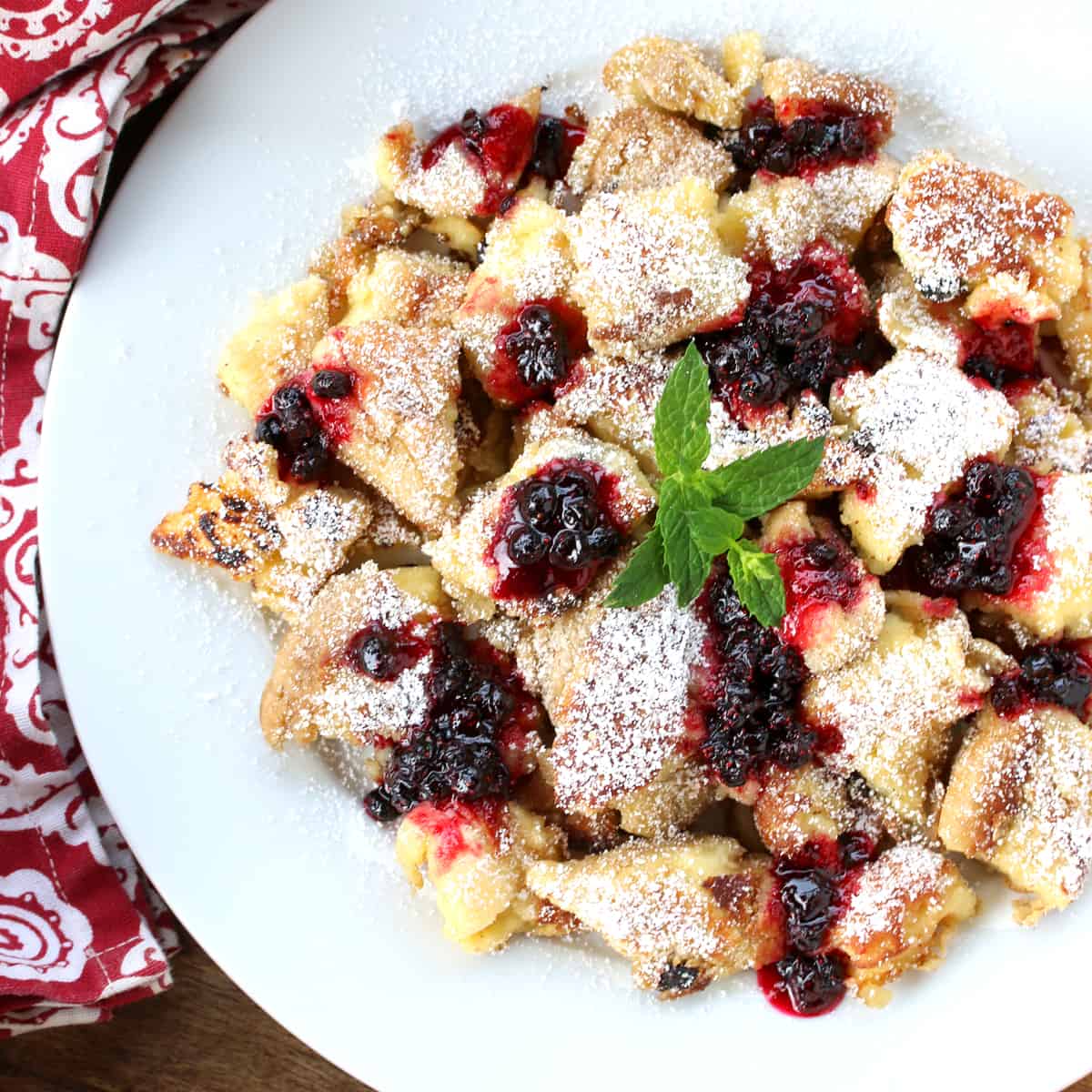
Deep within the heart of Austrian and Bavarian culinary traditions lies a dish that is as delightful to the palate as it is rich in history and folklore: Kaiserschmarrn. More than just a dessert, this fluffy, shredded pancake is a cultural icon, embodying the sweet indulgence and rustic charm of Alpine cuisine. Often translated as "emperor's mess" or "imperial nonsense," Kaiserschmarrn promises a unique experience – a chaotic yet harmonious blend of textures and flavors that captivates both locals and visitors alike. From its humble origins to its legendary association with royalty, this dish is a testament to the enduring appeal of simple ingredients transformed into something extraordinary.
What Exactly is Kaiserschmarrn? Unpacking the Austrian Shredded Pancake
At its core, kaiserschmarrn is a light, caramelized pancake, but its presentation is far from conventional. Unlike a flat, round pancake, kaiserschmarrn is intentionally torn into irregular, bite-sized pieces during the cooking process, giving it its signature "shredded" appearance. The magic begins with a simple, yet expertly crafted batter, typically made from flour, eggs, milk, and sugar. To elevate its flavor profile, many recipes incorporate a hint of vanilla, a splash of rum, or plump raisins that have been soaked to rehydrate them and infuse them with an extra layer of taste.
The preparation involves pouring the batter into a hot pan, allowing it to cook until golden on one side. The real artistry comes into play when the pancake is partially cooked: it's then artfully (or perhaps, playfully) shredded into delightful, uneven morsels. These pieces are often gently caramelized with a final knob of butter and a sprinkle of sugar, achieving a slight crispness on the outside while remaining incredibly fluffy within. The grand finale is a generous dusting of confectioners' sugar, creating a beautiful contrast against the golden-brown fragments.
But what truly completes the kaiserschmarrn experience are its accompaniments. Traditionally, it's served alongside a variety of fruit compotes, with Zwetschkenröster (a warm plum compote) and applesauce being the most classic choices. The tangy sweetness of the fruit provides a perfect counterpoint to the rich, fluffy pancake, making each spoonful a symphony of flavors and textures. Whether enjoyed as a decadent dessert, a hearty brunch item, or even a comforting main meal, kaiserschmarrn is a versatile treat that appeals to all ages.
Unraveling the Imperial Legend: The True Story Behind the Name
The name kaiserschmarrn, translating to "emperor's mess" or "imperial nonsense," immediately conjures images of royal kitchens and accidental culinary breakthroughs. The most popular legend attributes its creation to Emperor Franz Joseph I (1830–1916), a monarch renowned for his simple tastes. One captivating tale suggests that his chef, either during a hunting trip or while attempting to create a light dessert, accidentally shredded a pancake that had become too thick or hadn't cooked perfectly. Instead of discarding it, the resourceful cook served it to the emperor, who, to everyone's surprise, thoroughly enjoyed the "mess." Another variant claims the emperor specifically requested a simple, torn pancake, leading to its unique texture.
While these anecdotes add a romantic charm to the dish's origin, historical records paint a more nuanced picture. The earliest documented recipe for kaiserschmarrn actually predates Franz Joseph's reign, appearing in an 1835 Viennese food tariff. In this context, the "Kaiser-" prefix was likely not a direct nod to a specific emperor, but rather a descriptor denoting superior quality or a dish fit for royalty, a common practice in 19th-century Viennese cuisine. For a deeper dive into this fascinating linguistic and historical journey, explore Beyond the Legend: The True History of Kaiserschmarrn's Imperial Name.
The term "Kaiser" itself has ancient roots, stemming from the Latin "Caesar," which evolved into "keisar" in Old High German and ultimately signified the sovereign ruler. The second component, "Schmarrn" (or "Schmarren"), traces back to 16th-century Upper German dialects. It derived from "Schmer," referring to lard or animal fat, and the verb roots associated with "rühren" (to stir) or "schmieren" (to smear), evoking the preparation of a fatty, mixed batter. Over time, in Austrian and Bavarian dialects, "Schmarrn" colloquially expanded to mean "mess," "rags," or "nonsense"—a perfect linguistic capture of the dish's delightfully shredded, irregular texture that resembles torn scraps rather than a neatly formed pancake.
From Peasant's Plate to Royal Treat: The Evolution of Schmarrn
Before achieving its "imperial" status, kaiserschmarrn evolved from a much simpler, rustic dish known as "Schmarren." This basic pancake variant was a centuries-old staple in peasant cuisine across the Alpine regions, a humble concoction of basic batter fried and scrambled. It was a practical, filling meal, reflecting the ingredients readily available to ordinary folk.
As the 19th century progressed, this simple "Schmarren" underwent a culinary metamorphosis, particularly in Vienna, which was then the vibrant heart of the Austro-Hungarian Empire. The addition of finer ingredients such as enriched milk, more eggs, sugar, and luxurious elements like raisins (often plumped in rum) or finely ground almonds transformed the rustic dish into a celebrated Viennese specialty. This elevation in quality and refinement likely contributed to the "Kaiser-" prefix becoming associated with it, signifying a superior version of the traditional "Schmarrn." Influential cookbooks of the era, such as Katharina Prato's 1858 "Die Süddeutsche Küche," prominently featured recipes explicitly titled "Kaiser-Schmarren," cementing its place in the gastronomic landscape.
Today, kaiserschmarrn holds immense cultural prominence in Austria, rivaling even the globally renowned Sacher Torte in popularity. Its versatility and comforting nature allowed it to transcend social classes, finding a place not only in imperial palaces but also in traditional Jewish Viennese recipes, where it became a beloved and adaptable treat. Its journey from a simple, scrambled batter to a refined, iconic dessert reflects the rich culinary history of Central Europe, showcasing how everyday ingredients can be elevated through tradition, innovation, and a touch of imperial mystique.
Mastering the Art of Kaiserschmarrn: Tips for the Home Cook
Recreating the authentic taste and texture of kaiserschmarrn at home is a rewarding culinary endeavor. While it appears deceptively simple, there are a few key techniques that can elevate your "emperor's mess" from good to truly magnificent.
- The Fluff Factor: Separating Eggs is Key. For that signature airy, cloud-like texture, separate your egg whites from the yolks. Whip the egg whites until they form stiff peaks, then gently fold them into the rest of the batter (which includes yolks, flour, milk, sugar, and flavorings). This creates an incredibly light and fluffy pancake that will tear beautifully.
- The Perfect Pan and Heat: Use a non-stick pan or a well-seasoned cast-iron skillet. Cook the pancake over medium heat, allowing it to cook slowly and evenly. You want a golden-brown exterior without burning the center.
- Embrace the Tear: Don't be afraid to be messy! Once the pancake is golden on the bottom and mostly set on top, use two forks or spatulas to tear it into irregular pieces. This is where the "mess" comes in, and it's essential for creating those varied textures.
- The Caramelization Finale: This step is often overlooked but crucial. After tearing, add a small knob of butter and a tablespoon or two of sugar to the pan with the shredded pancake pieces. Continue to cook, stirring gently, until the sugar caramelizes and coats the kaiserschmarrn pieces, giving them a slight crispness and a delicious depth of flavor.
- Raisin Rum Soak: If you're including raisins, soak them in a little rum (or warm water for an alcohol-free version) for at least 30 minutes before adding them to the batter. This plumps them up and infuses them with extra flavor.
- Serve It Hot and Fresh: Kaiserschmarrn is best enjoyed immediately after preparation, dusted generously with powdered sugar. Pair it with homemade plum compote, applesauce, or even a scoop of vanilla ice cream for an extra treat.
For more detailed instructions and a full recipe to perfect your torn pancake technique, be sure to visit Mastering Kaiserschmarrn: Your Guide to Austria's Fluffy Torn Pancake.
Why Kaiserschmarrn Captivates Hearts
Beyond its delectable taste and intriguing history, kaiserschmarrn captivates hearts for several reasons. It embodies comfort and nostalgia, often evoking memories of childhood, family gatherings, or delightful holidays in the Alps. Its versatility means it can grace the table for any occasion – a special breakfast, a satisfying lunch, an afternoon sweet treat, or a grand dessert. The unique experience of a freshly made batch, warm and fragrant from the pan, dusted with powdered sugar, and accompanied by tart fruit, is truly unparalleled.
It's a dish that encourages sharing and communal enjoyment, inviting everyone to dip their spoon into a pile of golden, fluffy goodness. Kaiserschmarrn represents more than just food; it's a piece of cultural heritage, a culinary narrative that continues to be written in kitchens and cafés across Austria and beyond. Its universal appeal lies in its ability to transform simple ingredients into an extraordinary experience, proving that sometimes, the most cherished delights are those that are a little bit "messy" and a lot delicious.
From its legendary origins attributed to Emperor Franz Joseph I to its historical evolution from a rustic peasant dish to a refined Viennese specialty, kaiserschmarrn remains an iconic symbol of Austrian and Bavarian culinary artistry. Whether you delve into its rich history, master its preparation in your own kitchen, or simply savor a serving at a traditional Austrian cafe, this "emperor's mess" promises an unforgettable taste of Central European charm. Indulge in its fluffy texture, sweet caramelization, and the delightful tang of fruit compotes, and discover why kaiserschmarrn truly rules the realm of comfort food.
