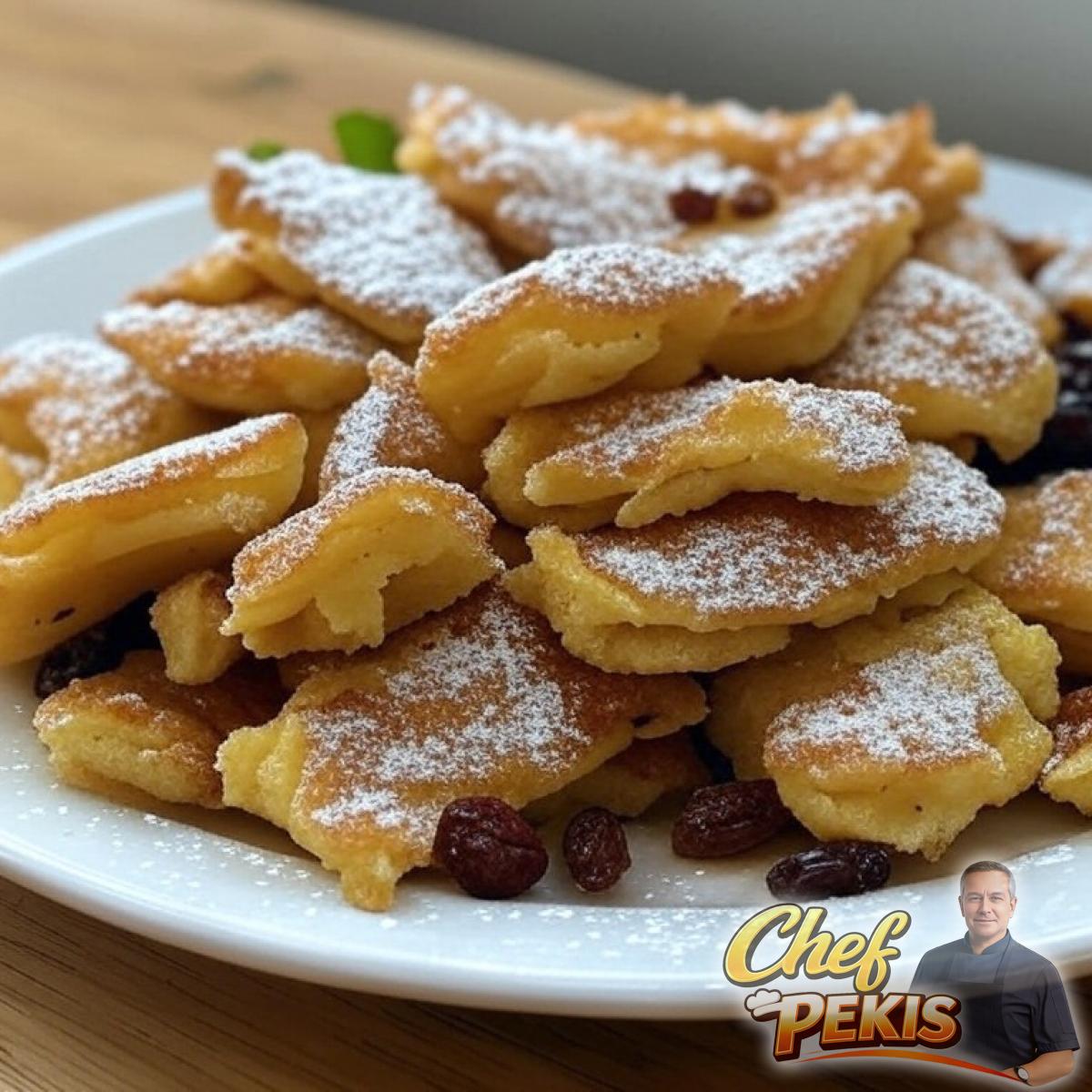
Mastering Kaiserschmarrn: Your Guide to Austria's Fluffy Torn Pancake
Imagine a dish so enchanting, so deeply woven into the fabric of a nation's culinary identity, that it rivals even the most famous of tortes. That's precisely the magic of
Kaiserschmarrn, Austria's beloved fluffy, shredded pancake. More than just a dessert, this sweet, caramelized creation is a cultural icon, a staple in Austrian and Bavarian kitchens, and a delightful experience for anyone who tastes it. Often described as an "emperor's mess,"
Kaiserschmarrn is a testament to simple ingredients transformed into something extraordinary. Whether you're seeking a comforting breakfast, a decadent brunch item, or the perfect sweet ending to a meal, this guide will lead you through the rich history, fascinating etymology, and practical steps to mastering this iconic Austrian delicacy. Prepare to fall in love with the ultimate torn pancake.
What Exactly is Kaiserschmarrn? A Culinary Introduction
At its heart,
Kaiserschmarrn is a light, sweet pancake, distinguished by its unique preparation and presentation. Unlike a traditional whole pancake, it's deliberately torn into irregular, bite-sized pieces during the cooking process, giving it that characteristic "scrambled" or "shredded" appearance. The basic batter is surprisingly simple, typically consisting of flour, eggs, milk, and sugar. However, it's the subtle additions and expert technique that elevate it. Many recipes incorporate a hint of vanilla, a splash of rum, or plump, rum-soaked raisins, adding layers of flavor and aroma.
The cooking process involves frying the batter until golden brown, then, rather than flipping it whole, it's artfully shredded with forks or spatulas directly in the pan. Often, a sprinkle of sugar and a knob of butter are added towards the end, caramelizing the edges of the torn pieces to a delightful crispness. Once plated, a generous dusting of confectioners' sugar is almost mandatory, creating a beautiful snowy finish.
Traditionally,
Kaiserschmarrn is served warm with an array of tart fruit compotes, providing a perfect counterpoint to the pancake's sweetness. Plum compote (Zwetschkenröster) and applesauce (Apfelmus) are classic choices, but cherry, berry, or even apricot preserves are also popular. This versatile dish appeals to all ages, making it a beloved treat for families and a cherished memory for anyone who's visited Austria or Bavaria. Its rich flavor and comforting texture explain why it's often referred to as an "Emperor's Pancake" – a dish fit for royalty, yet approachable for all.
Unraveling the Imperial Tale: The History and Name of Kaiserschmarrn
The story behind
Kaiserschmarrn is as rich and layered as the dish itself, shrouded in captivating legends and intriguing historical facts. The name, translating to "emperor's mess" or "imperial nonsense," immediately sparks curiosity, linking this humble pancake to powerful historical figures.
The Legend of Emperor Franz Joseph I
The most popular origin stories invariably tie
Kaiserschmarrn to Emperor Franz Joseph I (1830–1916), a long-reigning monarch of the Austro-Hungarian Empire. One tale suggests that during a hunt, his cook, attempting to prepare a simple pancake, accidentally made it too thick and tore it into pieces, only for the emperor to declare it a delicious "mess." Another popular narrative claims that the emperor, tired of elaborate desserts, requested a light, simple treat, and the chef, after a failed attempt at a perfect pancake, presented the shredded version with an apologetic explanation that it was "just a Schmarrn" (a mess) for the Kaiser. Franz Joseph, known for his modest tastes, reportedly adored it, solidifying its place in imperial lore.
While these stories are charming and undeniably contribute to the dish's romantic appeal, historical records offer a slightly different, albeit equally fascinating, account. For a deeper dive into these captivating tales and the dish's cultural significance, you might enjoy
Kaiserschmarrn: Unraveling the Iconic Austrian Emperor's Mess.
The True Etymology and Historical Roots
The actual linguistic and culinary history of
Kaiserschmarrn dates back earlier than Franz Joseph's reign. The term is a compound German word, combining "Kaiser" (emperor) with "Schmarrn" (a shredded or scrambled dish).
*
Kaiser: This element has ancient roots, deriving from the Latin "Caesar," the cognomen of Julius Caesar. It entered Old High German as "keisar" around the 8th century and became the official title for the sovereign ruler in Germanic contexts, including the revered Austro-Hungarian Empire.
*
Schmarrn: The second component, "Schmarrn" (or "Schmarren"), can be traced to 16th-century Upper German dialects. It evolved from "Schmer," referring to lard or raw animal fat, and is linked to verbs like "rühren" (to stir) or "schmieren" (to smear), evoking the preparation of a fatty, mixed batter. In Austrian and Bavarian dialects, "Schmarrn" also colloquially means "mess," "rags," or "nonsense," a linguistic nuance that perfectly captures the dish's characteristic torn, irregular texture resembling scraps.
Crucially, the earliest documented recipe for a dish recognizable as
Kaiserschmarrn appeared in an 1835 Viennese food tariff, predating Franz Joseph's ascent to the throne. In this context, the "Kaiser-" prefix likely denoted superior quality or an imperial standard, rather than a direct personal connection to an emperor. The dish itself evolved from simpler "Schmarren"—a rustic, centuries-old peasant dish of basic pancake batter, fried and scrambled. By the 19th century, with enrichments like raisins or almonds, "Schmarren" transformed into the celebrated Viennese specialty we know today. Influential cookbooks, such as Katharina Prato's
Die Süddeutsche Küche (1858), further cemented "Kaiser-Schmarren" as a distinct, fluffy, torn batter-based preparation.
This rich tapestry of legend and historical fact makes
Kaiserschmarrn more than just a meal; it's a piece of living history. To delve deeper into the fascinating distinction between myth and documented history, explore
Beyond the Legend: The True History of Kaiserschmarrn's Imperial Name.
Crafting Your Own Kaiserschmarrn: Tips for the Perfect Fluffy Torn Pancake
Making authentic
Kaiserschmarrn at home is a rewarding experience that’s surprisingly accessible. The key lies in understanding the simple science behind the fluffiness and mastering the "tear."
Essential Ingredients and Their Role:
*
Flour: Use all-purpose flour. Some recipes suggest a small amount of potato starch or cornstarch for extra tenderness.
*
Eggs: This is where the magic happens! Separating the egg whites from the yolks is crucial. The yolks provide richness and color, while whipped egg whites are folded in at the end to create that signature airy, cloud-like texture.
*
Milk: Whole milk offers the best richness, contributing to a tender interior.
*
Sugar: Granulated sugar for the batter, and vanilla sugar (or a touch of vanilla extract) for enhanced flavor. A little extra sugar for caramelization is also key.
*
Salt: A pinch enhances all the other flavors.
*
Optional Enhancements:
*
Rum-soaked Raisins: These are a classic addition, providing bursts of sweetness and a hint of boozy warmth. Soak them for at least 30 minutes, or even overnight.
*
Rum or Vanilla Extract: A teaspoon in the batter deepens the flavor profile.
*
Lemon Zest: A touch of grated lemon zest adds a bright, refreshing note.
Step-by-Step Preparation & Expert Tips:
1.
Prepare the Batter: Start by whisking egg yolks with milk, sugar, flour, and a pinch of salt until smooth. If using, stir in vanilla, rum, or lemon zest.
2.
Whip Egg Whites: In a separate, clean bowl, whip the egg whites until stiff peaks form. Gently fold these whipped whites into your yolk batter. The goal is to incorporate air without deflating the whites entirely, creating a light, airy mixture.
Tip: Don't overmix! Gentle folding is key to fluffiness.
3.
Heat the Pan: Melt a good knob of butter in a large, oven-safe, non-stick pan over medium heat. A cast-iron skillet also works wonderfully. Ensure the pan is hot enough to sizzle the batter but not so hot that it burns.
4.
Pour and Cook: Pour the entire batter into the hot pan, spreading it evenly. You can sprinkle the rum-soaked raisins over the top at this stage. Cook undisturbed for 3-5 minutes until the bottom is golden brown and the edges start to set.
5.
The "Schmarrn" Moment: Traditionally, this is where you attempt to flip the large pancake. However, many find it easier to simply tear it into large pieces (about quarters or eighths) with two spatulas, then flip those pieces to cook the other side.
6.
Caramelize: Once all sides are lightly golden, add another small knob of butter and a sprinkle of granulated sugar to the pan. Continue tearing the pieces into smaller, irregular "shreds" while tossing them in the butter and sugar. This creates those irresistible caramelized edges.
7.
Finish (Optional, but Recommended): For ultimate fluffiness and even cooking, transfer the pan to a preheated oven (around 350°F / 175°C) for 5-10 minutes. This helps the inside cook through without burning the exterior.
8.
Serve Immediately: Transfer the piping hot
Kaiserschmarrn to plates.
Practical Advice for Success:
*
Patience is a Virtue: Don't rush the initial cooking phase. Let the bottom brown properly before you start tearing.
*
Pan Size Matters: Use a pan large enough so the batter isn't too thick. A too-thick pancake is harder to cook through and tear.
*
Don't Be Afraid to Tear: The "messy" aspect is part of its charm! Embrace the irregularity.
*
Good Butter: High-quality butter makes a noticeable difference in flavor.
Serving Kaiserschmarrn: Beyond the Powdered Sugar
While the creation of
Kaiserschmarrn is an art, its serving is an equally delightful ritual. The moment it comes off the stove, glistening with caramelized sugar, it's ready to be presented in all its glory.
Classic Accompaniments:
*
Confectioners' Sugar: A generous dusting of powdered sugar is non-negotiable. It adds a final touch of sweetness, a beautiful visual contrast, and melts slightly on the warm pancake, creating a delicate glaze.
*
Fruit Compotes: This is where
Kaiserschmarrn truly shines.
*
Zwetschkenröster (Plum Compote): Perhaps the most classic pairing. The tartness of stewed plums cuts through the sweetness of the pancake perfectly.
*
Apfelmus (Applesauce): Another popular choice, offering a comforting, slightly sweet and tangy contrast.
*
Berry Compotes: Raspberry, cherry, or mixed berry compotes provide vibrant flavor and color.
*
Apricot Jam: A common feature in Austrian desserts, a dollop of apricot jam is a wonderful addition.
*
Fresh Fruit: Sliced berries or other seasonal fruits can add freshness and a lighter touch.
*
A Dollop of Cream: While not traditional for everyone, a small scoop of whipped cream can add an extra layer of indulgence.
When to Enjoy This Imperial Treat:
Kaiserschmarrn is incredibly versatile and can be enjoyed at almost any time of day:
*
Breakfast/Brunch: Its substantial yet light nature makes it a fantastic start to the day, especially on weekends. It's universally loved by children and adults alike.
*
Dessert: Traditionally, it's a beloved dessert in Austrian and Bavarian restaurants, providing a satisfying sweet finish to a meal.
*
Afternoon Treat (Jause): In Austria, "Jause" refers to a mid-afternoon snack, and
Kaiserschmarrn fits this bill perfectly, perhaps accompanied by a coffee.
Ultimately, the enduring appeal of
Kaiserschmarrn lies in its ability to be both comforting and celebratory. It's a dish that evokes warmth, tradition, and the simple pleasures of good food. Its combination of airy lightness, rich flavor, and satisfying textures makes it an unforgettable culinary experience, a true testament to Austria's vibrant gastronomic heritage.
In conclusion,
Kaiserschmarrn is far more than just a shredded pancake; it's a delicious journey through Austrian history and culture. From its legendary ties to Emperor Franz Joseph I to its fascinating linguistic origins and its evolution from a rustic peasant dish to a refined imperial delight, every fluffy piece tells a story. Mastering this fluffy torn pancake at home offers a taste of Viennese elegance and Bavarian charm, proving that sometimes, the most delightful culinary creations are born from a delightful "mess." So, whether you seek it out in a cozy Austrian Gasthaus or brave the kitchen to create your own, prepare to be enchanted by this truly iconic and supremely satisfying sweet treat.